Research Projects: David Noel and Trevor Paglen

Research Projects • clubhouse 88 • David Noel • Trevor Paglen
We are excited to announce Research Projects, a new collaborative venture and gallery program based in Mexico City. RP will provide research and exhibition opportunities for a curated group of Do Not Research contributors and community members.
Research Projects is a collaboration between Do Not Research, led by Harris Rosenblum, and clubhouse 88, a Mexico City-based gallery that has facilitated exhibitions, residencies, and social practice activations of offsite spaces since 2021. The project is co-directed by Ulises Olvera-Arroyo and Galia Basail-Mulcahy.
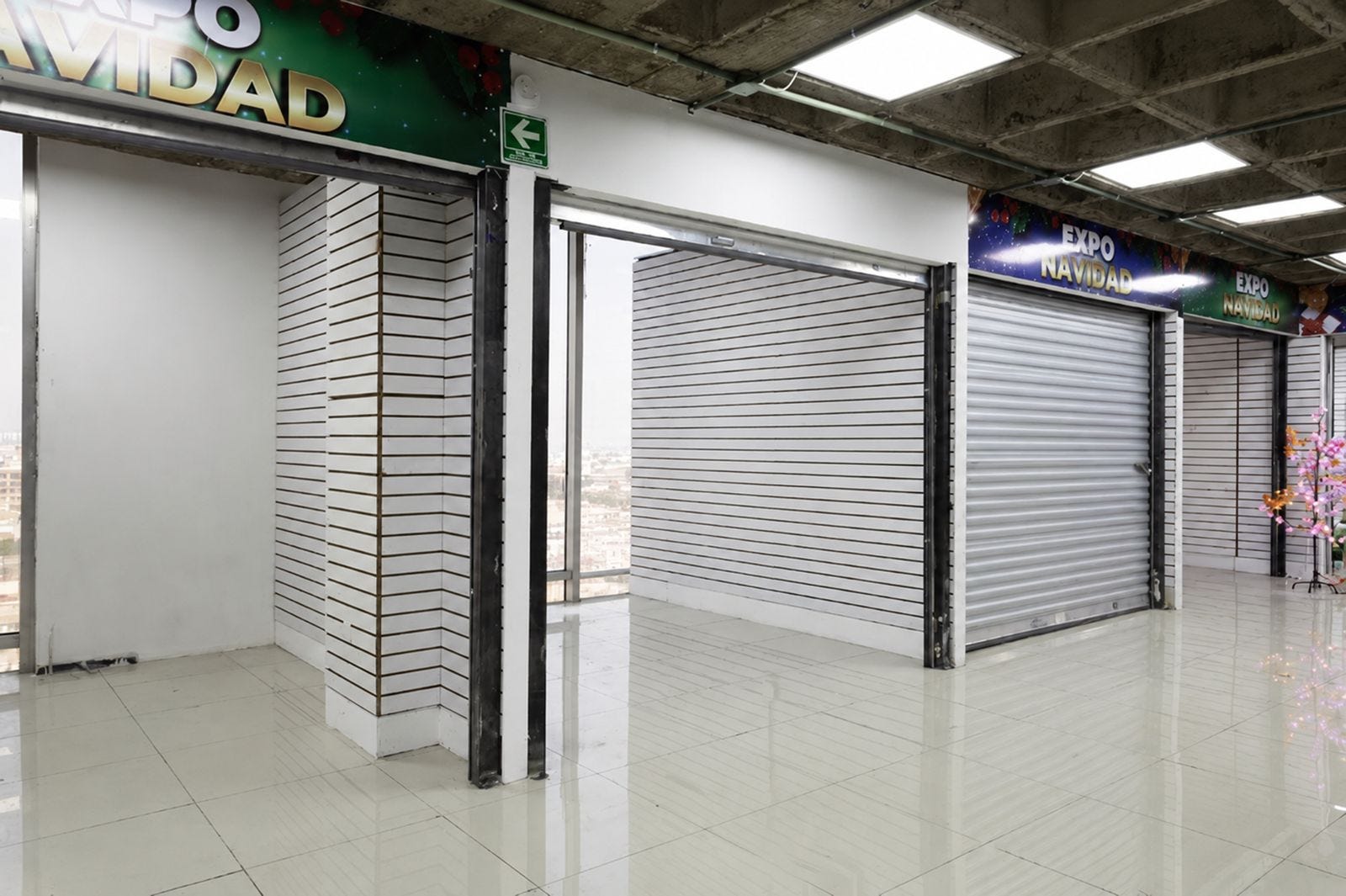
From 2026 to 2027, exhibitions will be hosted across two storefronts on the 14th floor of Plaza Izazaga 89 in Mexico City’s historic city center. The 16-story building was originally built to host an ill-conceived designer mall in the 1970s. Eventually, it was purchased by the state and served as a government building before being sold off to private investors. In the time since, it has operated as a market for pirated goods, and is now managed by a Chinese corporation that connects Mexican producers to China’s manufacturing capacity through dropshipping and e-commerce. Works will be shown down the hall from injection molded brainrot figurines, bluetooth speaker companies, and 3D printing businesses. We believe the backdrop of the site’s transition from windfall neoliberalism to hypercommerce is a perfect venue to show artists from the DNR ecosystem.
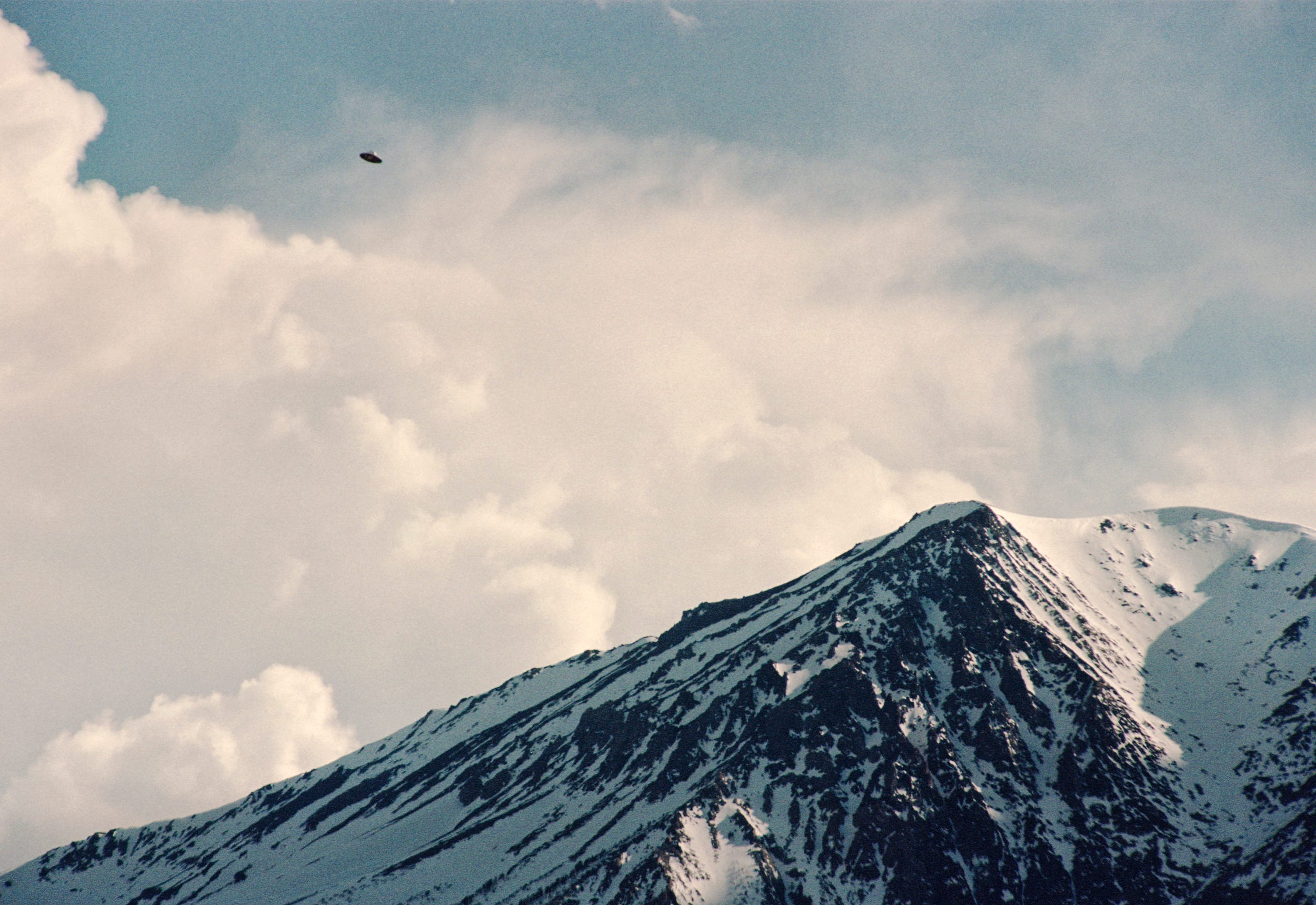
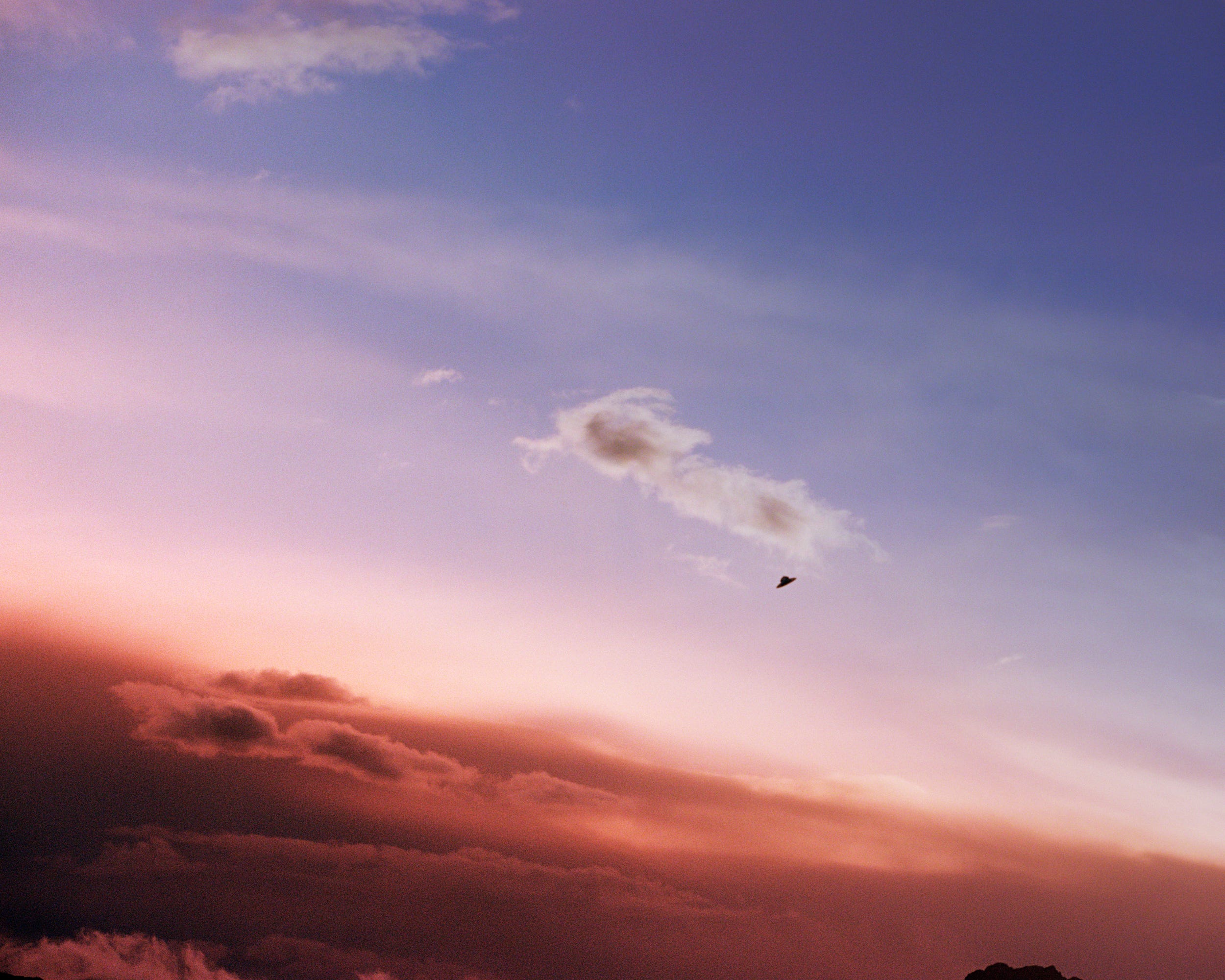
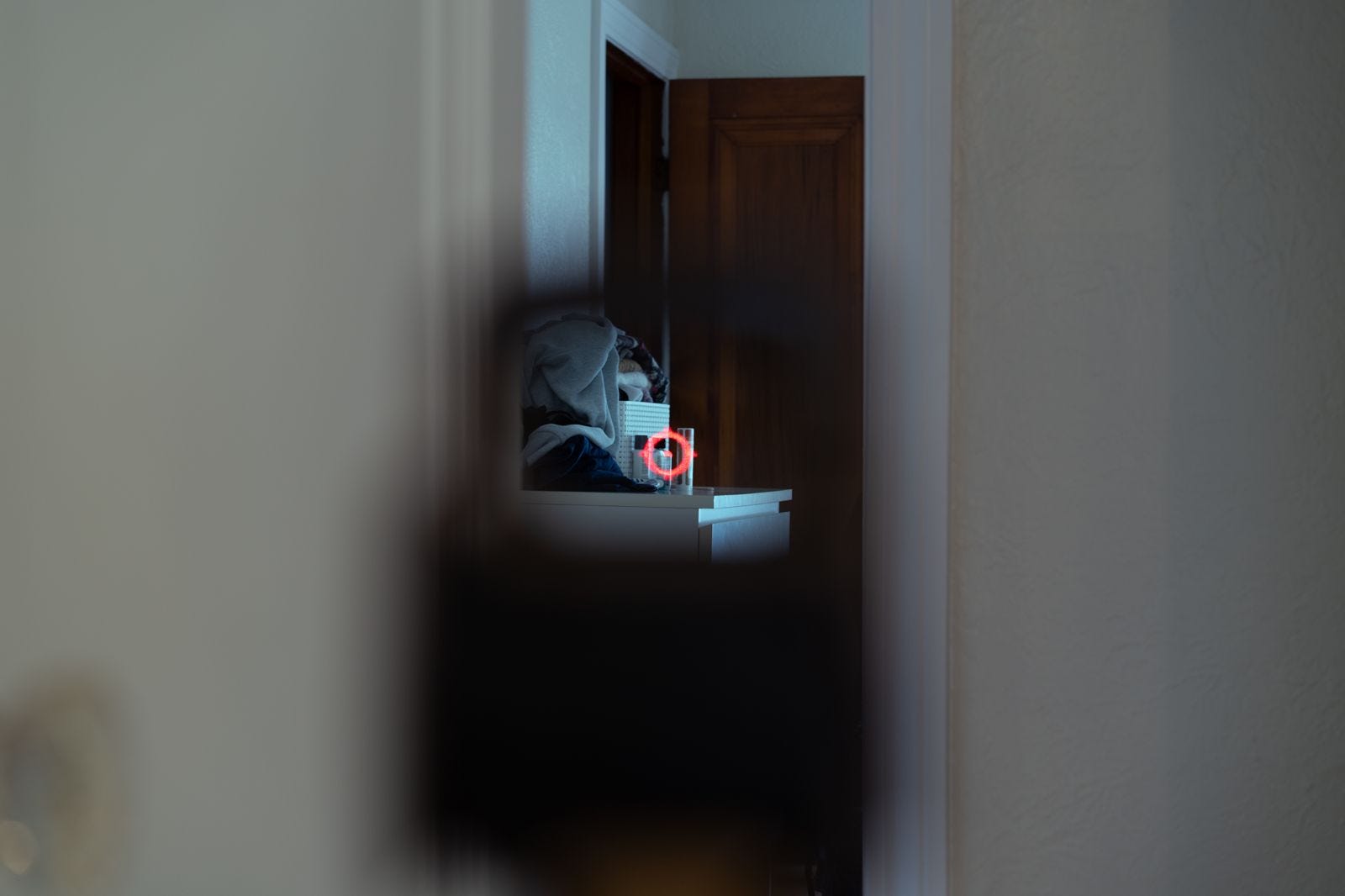
For its inaugural exhibition, opening: July 4th, 14:00-19:00, Research Projects will be presenting a collection of photographic works from David Noel and Trevor Paglen. The works in this show are both different routes of exploring the hyperreality generated by military technology. The UFO in Paglen’s work functions as a social technology to weaponize images in a way that inoculates the public from organizing around greater truths of military imperialism and capital dominion.
The technology of the computationally determined image is itself a military technology. Generative AI relies on the backbone of the earliest neural nets developed at MIT which in turn led to cognitive science as a discipline. According to the lore, the first computer vision model was a “tank detector,” and researchers in the 1960s believed general artificial intelligence was only a few years away. We come to a point now where the reality of images, intelligence, and systems are determined by capital, completely. The image technology that begins as a detector serves to modulate the truth value of images, entirely.
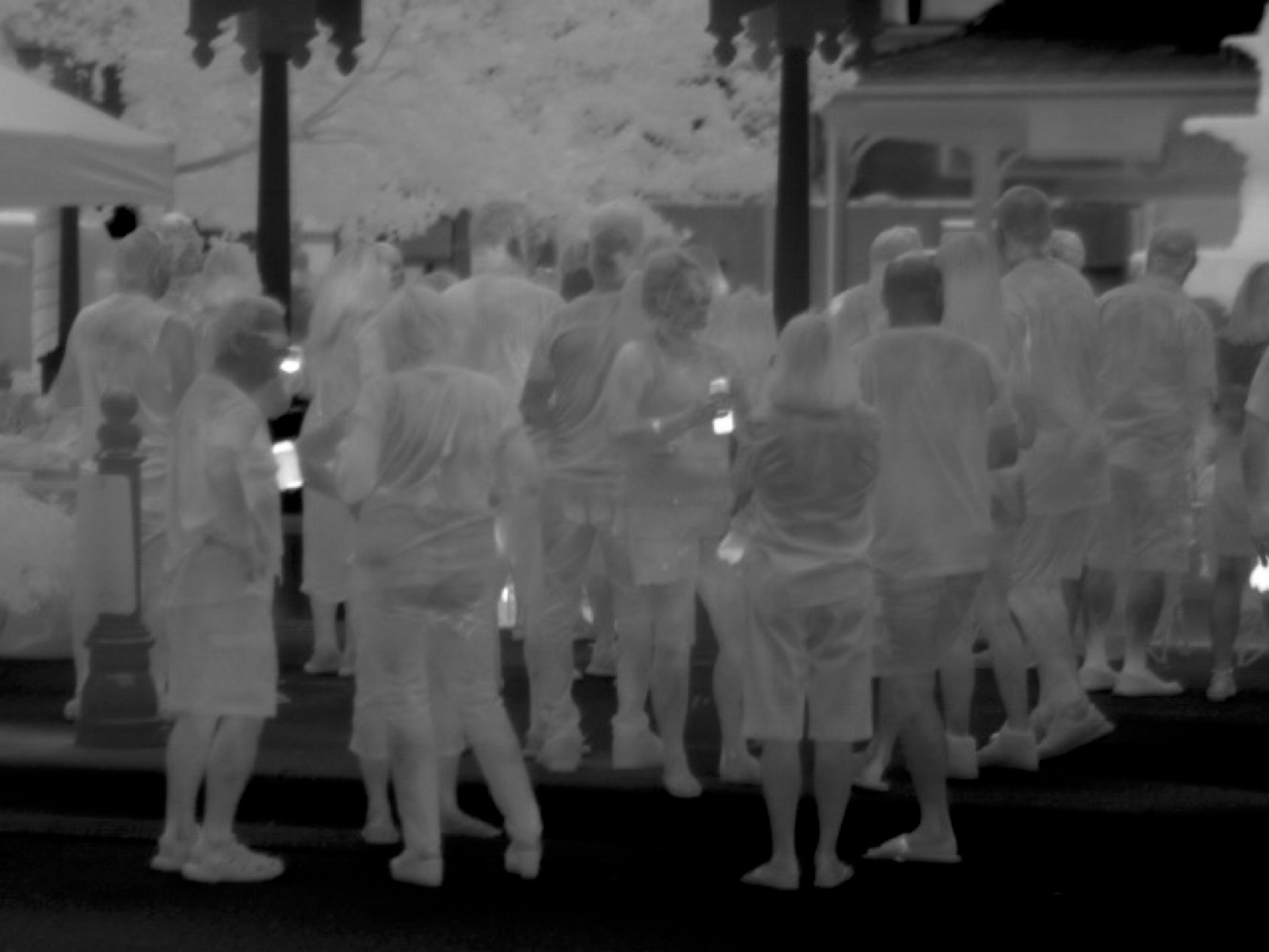
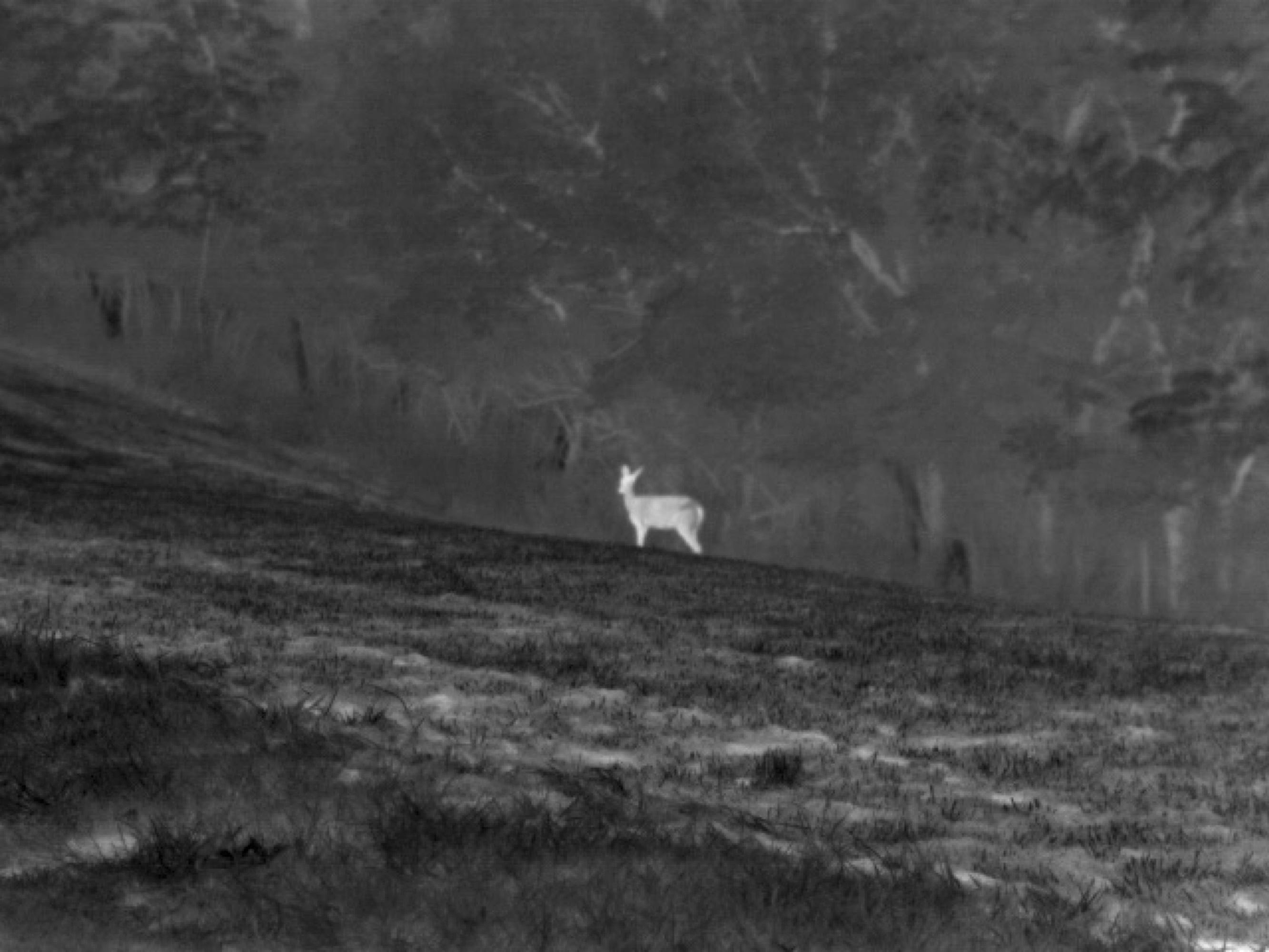
Noel’s work explores the usage of third generation surplus military optics as lenses. This generation of optical devices acts as a self-regulating system; auto-gating brightness, performing basic object and edge detection, and turning alternate forms of sense data into visual information. Contemporary scopes, thermal, and night vision devices act as computational devices, flattening the world around them. People become signatures in space. The weapon holder becomes a discriminator. Noel takes these ways of “seeing” off the battlefield and examines their output as aesthetics.
What unites these two bodies of work is a sense of being touched by capital but persevering in the beauty regardless. The dot of the UFO on the sublime image of the sky. The unknowable touching the unknowable. The angelic trace of bodies meshing into a ball of pulsing light in a crowd becomes an angel in the flattening. Even in the pits of techno-capitalism, imperialism, and violence, the world cannot escape its material base and the beauty and immanence that run through it.
David Noel is an artist and educator working across media, whose work examines the downstream effects of the Global War on Terror. Drawing from his experiences as a veteran, he observes how military aesthetics and technologies circulate through everyday life, often through quieter imprints found in cultural debris. Noel was born in Korea, raised in West Virginia, and currently lives in Northern Kentucky, where he teaches at the University of Cincinnati.
Trevor Paglen is an artist whose work spans image-making, sculpture, investigative journalism, writing, engineering, and numerous other disciplines. He has had solo exhibitions at the Smithsonian Museum of American Art, Washington D.C.; Carnegie Museum of Art, Pittsburgh; Fondazione Prada, Milan; the Barbican Centre, London; Vienna Secession, Vienna; and Protocinema Istanbul, and participated in group exhibitions at the Metropolitan Museum of Art, the San Francisco Museum of Modern Art, the Tate Modern, and numerous other venues.
In March 2026, Paglen was named the winner of the LG Guggenheim Award. Paglen’s sixth book, “How to See Like a Machine: Images After AI”, was recently released by Verso Books.
Paglen holds a B.A. from U.C. Berkeley, an MFA from the Art Institute of Chicago, and a Ph.D. in Geography from U.C. Berkeley.
Research Projects is supported by the generous donations of Jeremiah Currier, Spencer Kerber, and subscribers like you. If you are interested in supporting the project please reach out to: research.projects.forever@gmail.com